
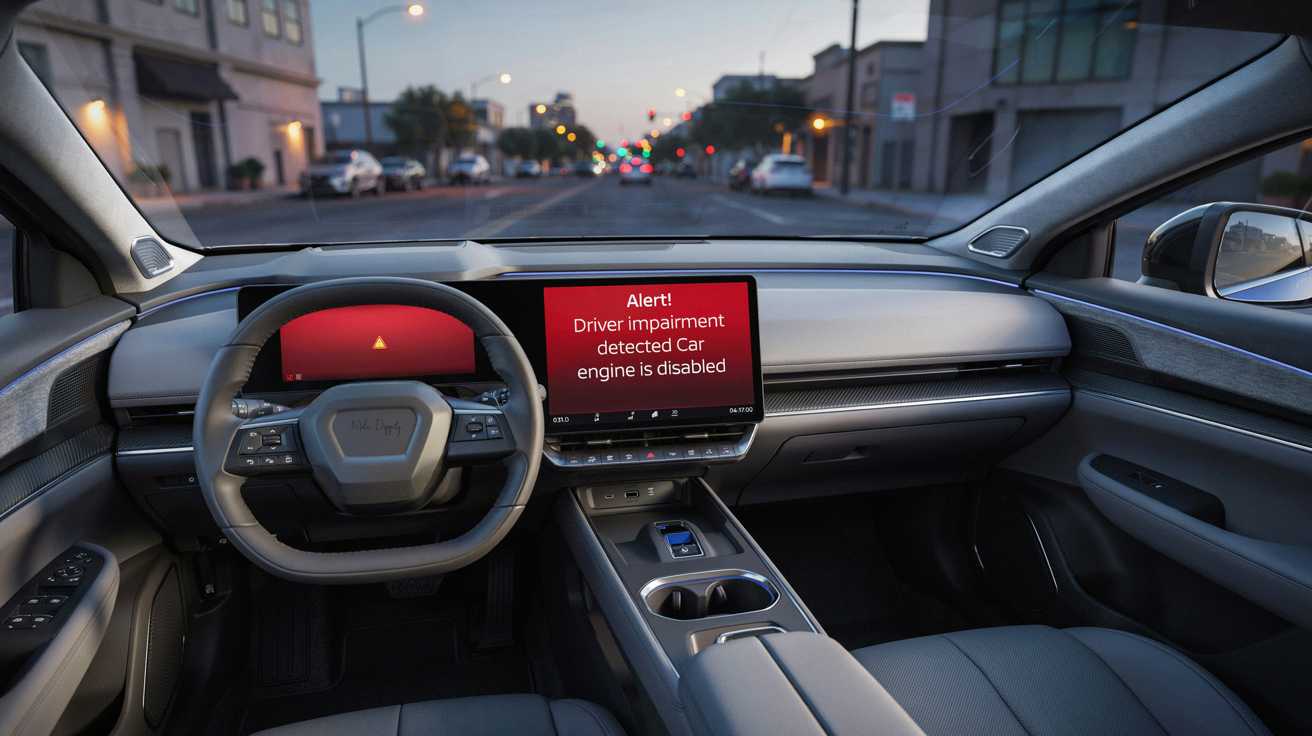
Have you ever had difficulty starting your car before? Maybe it was due to engine trouble or maybe your battery died. Soon cars may not start if sensors detect that the driver is drunk or otherwise intoxicated. I’m not talking about blowing into a breathalyzer tube. This is about passive or non-interactive technology that will act as a car kill switch. I’m also talking about all new cars. Yes, all. How could that work? Let’s discuss.
Wait, what???
In 2021, the US government passed the HALT Drunk Driving Act. The law requires car manufacturers to include passive anti-drunk driving technologies that will stop a car from being driven by an impaired person. The car may not start, stop in the middle of operation, or limit the driver’s ability to operate it.
What do you mean by passive?
Passive basically means you don’t have to do anything in particular to activate the sensor. You will sit in the driver’s seat, grab the steering wheel, push the button to start your engine, and just breathe. You likely won’t notice or think about the sensors, unless they detect that you may be impaired.
What kind of sensors can detect if I am impaired?
National Highway Traffic Safety Administration (NHTSA) and other companies have proposed a number of sensors. Car manufacturers may choose to use one or more of these to make a determination about driver impairment. Example technologies include checking blood alcohol level through the finger, sensing alcohol in the driver’s breath, measuring pupil dilation, and monitoring car and driver movements.
So when is all this happening?
Some reports anticipate that this rule will go into effect later this year or early 2027. The exact timeline has been uncertain for a while as the NHTSA was expected to get a first draft of their rule public by 2024, but they missed the deadline.
My Take
Preventing drunk driving is an important issue to tackle. Certainly stopping drunk drivers from making mistakes that could detrimentally impact themselves and others sounds like a great solution. But what if the sensors are wrong about someone being impaired? How likely are false positives? I also wonder how this tech might function during an emergency, when someone’s behavior may be off? Or even after they’ve had some medications?
Explore More
Federal law to soon require anti-drunk driving technology in all new passenger vehicles
Leave a Reply