
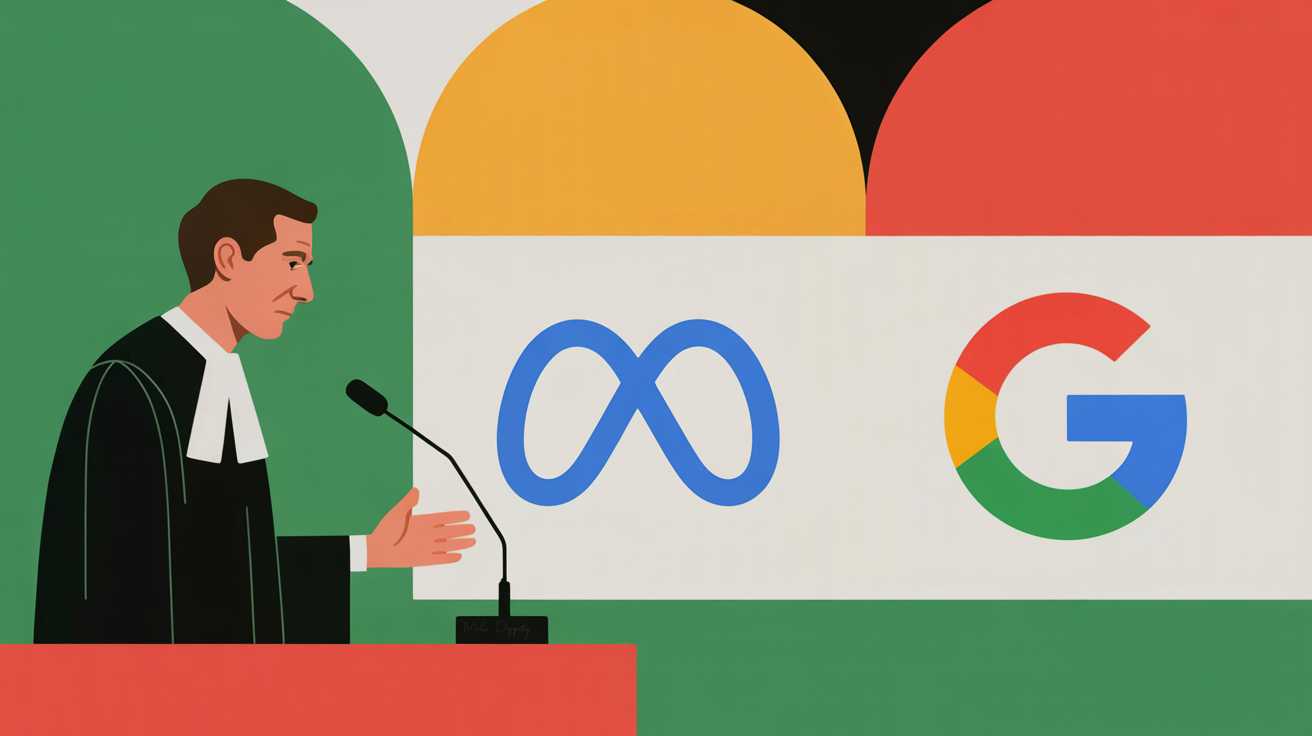
Recently, Meta and Google were subject to a social media addiction lawsuit. These companies now have to make a multimillion dollar payout to the plaintiff. You didn’t think anyone could be addicted to a website or an app? Let’s talk.
What was the lawsuit about?
A woman identified as Kaley G.M. filed a lawsuit alleging that she suffers from anxiety and depression due to a social media addiction that started when she was a child. Her lawyers argued that the social media websites are purposefully designed to encourage engagement leading to their client’s addiction.
What is social media addiction?
First, lets talk about addiction, which is a mental disorder with a compulsive need to do drugs or engage in a particular behavior. Addiction is often also characterized by dopamine flooding the brain leading to good feelings and encouraging the addictive habits. A social media addiction could then be defined as an intense desire to be on and engage with social media websites and content due to dopamine.
Didn’t this person just spend too much time online? Can social media really be addictive?
Anna Lembke, MD, author of the book “Dopamine Nation,” notes that as humans we are “wired to connect”. Social interactions can and should lead to good feelings. However, social media can supply seemingly unlimited social connections and leave us overstimulated craving even more. Ironically, we do this without necessarily talking to anyone directly, seeing posts and pictures that people have put online at various time points. We desire connections but are never really fulfilled. Then when someone logs off, they can feel down as the dopamine is not longer being released in association with the social media consumption.
What was the outcome of the trial
Meta and Google were ordered to pay the plaintiff $6 million, with Meta responsible for most of that. The jury must have seen the harm done to the plaintiff and sent a message to social media companies.
What if I am spending too much time on social media?
Dr. Lembke suggests putting yourself on a social media timeout. Even a day away from posts can be helpful. However, she really recommends taking at least a month off to recalibrate your brain.
My Take
While the verdict was in the plaintiff’s favor, the financial penalties were rather low. These companies make so much money! It is unlikely that this payout will really hurt their bottom line. However, there are a few similar lawsuits that are still awaiting trial. They may benefit from this verdict, and maybe the upcoming plaintiffs can make stronger arguments showing more of an effect. I do think we as individuals still have to be mindful of how much time we are dedicating to these websites. We also should be aware of how much our children are consuming.
Explore More
Jury finds Meta and YouTube negligent in landmark social media addiction case
Meta and YouTube found liable of negligence in social media addiction trial
Leave a Reply